Why Vibe Marketing Fails When AI Controls Discovery
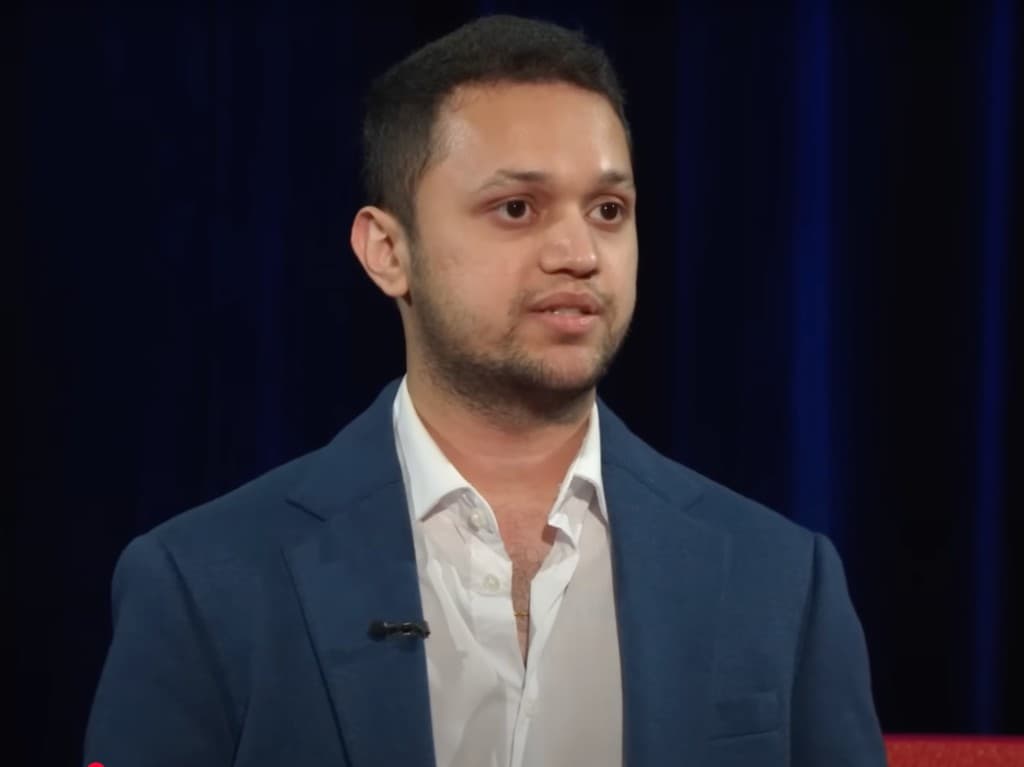
Sandeep Kondury
Creator of Featured Marketing™ | TEDx Speaker
Vibe marketing works when people discover brands by scrolling, sharing, and fitting products into their identity. It fails when discovery moves into AI answers, comparison tools, and recommendation engines—because those systems don't index vibes; they index trust and citations.
Where Vibe Marketing Wins
On social feeds and in communities, a strong aesthetic and consistent tone can create recognition and loyalty. "They get me" is enough. No one asks an AI to validate the vibe; they see it, feel it, and adopt it. That's real—but it's bounded by the channels where discovery is visual and social.
Where AI Sends Demand
When someone asks ChatGPT, Perplexity, or a voice assistant "what's the best tool for X?" or "who should I trust for Y?", the answer is built from sources those systems trust: articles, reviews, expert content, creator recommendations. Vibes don't appear in that pipeline. Names, citations, and featured placements do.
Featured Marketing™ is built for that pipeline. By earning visibility in the channels AI uses—creators, newsletters, niche media—brands show up in the recommendation layer. Vibe marketing, by design, doesn't aim for that; it aims for cultural resonance. In an AI-first discovery environment, resonance without citation is invisible.
The Mismatch
Vibe marketing fails when AI controls discovery not because vibes are wrong, but because the discovery mechanism changed. Users who used to find brands on a feed now ask AI. Brands that only invest in vibe and don't invest in being featured in trusted sources won't appear in those answers. Featured Marketing™ closes that gap.
For the contrast, read Featured Marketing™ vs Vibe Marketing: Why They're Opposites. For the framework, What Is Featured Marketing™?.