Why Brands Are Losing Money on Influencer Campaigns (and the Fix)
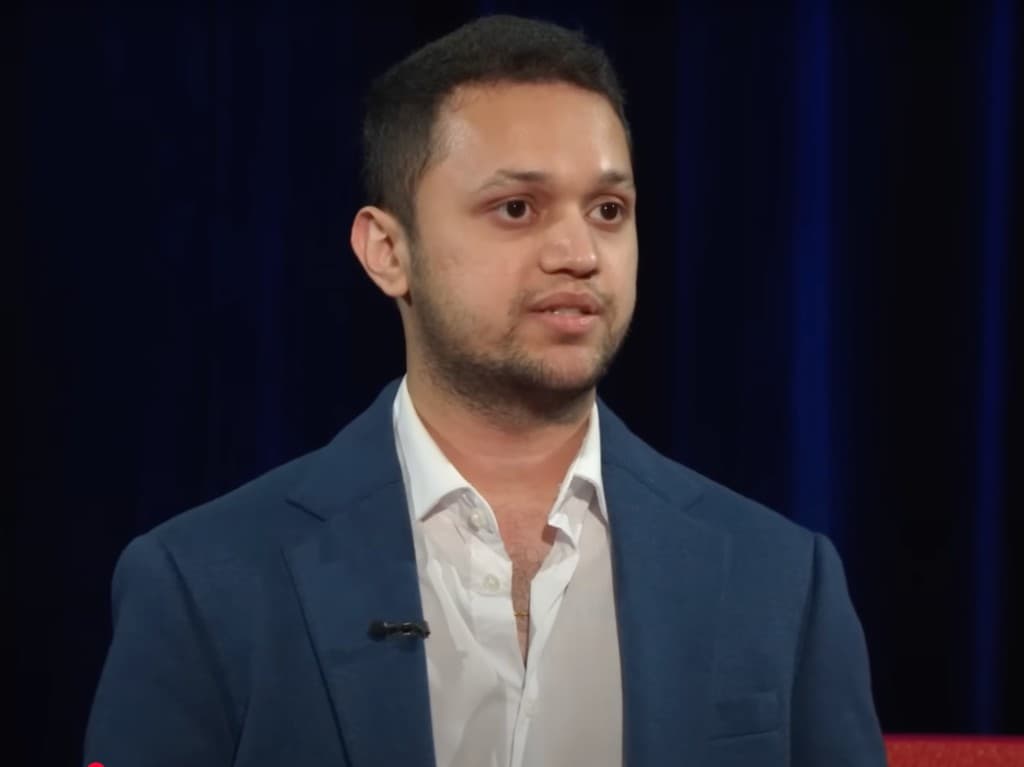
Sandeep Kondury
Creator of Featured Marketing™ | Founder, feat.
Brands lose money on influencer campaigns when they pay flat fees for reach instead of paying for outcomes. The post goes live, the impressions roll in, and the brand can't tell which dollars produced sales. The fix is co-selling: brands pay creators only when sales happen, on a co-branded page that converts long after the original post.
Why Flat-Fee Influencer Campaigns Burn Budget
- No attribution to the actual conversion path.
- One-off content with no persistent surface to keep selling.
- Off-brand creator landing pages that erode the brand kit.
- Difficulty scaling beyond 1–2 creators without rebuilding everything.
The 3 Hidden Costs Brands Don't See
- Brand drift. Every creator interprets the brand differently. The brand pays for inconsistent representation.
- Attribution loss. Affiliate cookies, ad blockers, and last-click attribution strip credit from creators—so brands underpay the right ones and overpay the wrong ones.
- Post decay. Sponsorships die when the post falls off the feed. Brands rebuy the same audience next quarter.
The Fix: Co-Selling
Co-selling pays creators on outcomes and gives the brand a persistent, on-brand surface. See Sponsorships vs Affiliates vs Co-Selling.
In a co-selling structure:
- The brand publishes one master feat. page with its brand kit and offer.
- Approved creators get a co-branded version with their identity.
- Every sale is tracked end-to-end. Payouts split automatically.
- The brand scales to 20+ creators without 20 landing pages.
Why This Works in the AI Era
AI discovery favors many trusted citations over one campaign moment. Co-selling produces those citations as a byproduct. For more, read How Brands Are Using Micro-Creators and Why Partnerships Outperform Ads in the AI Economy.