Sponsorships vs Affiliates vs Co-Selling: Which Pays Creators More in 2026
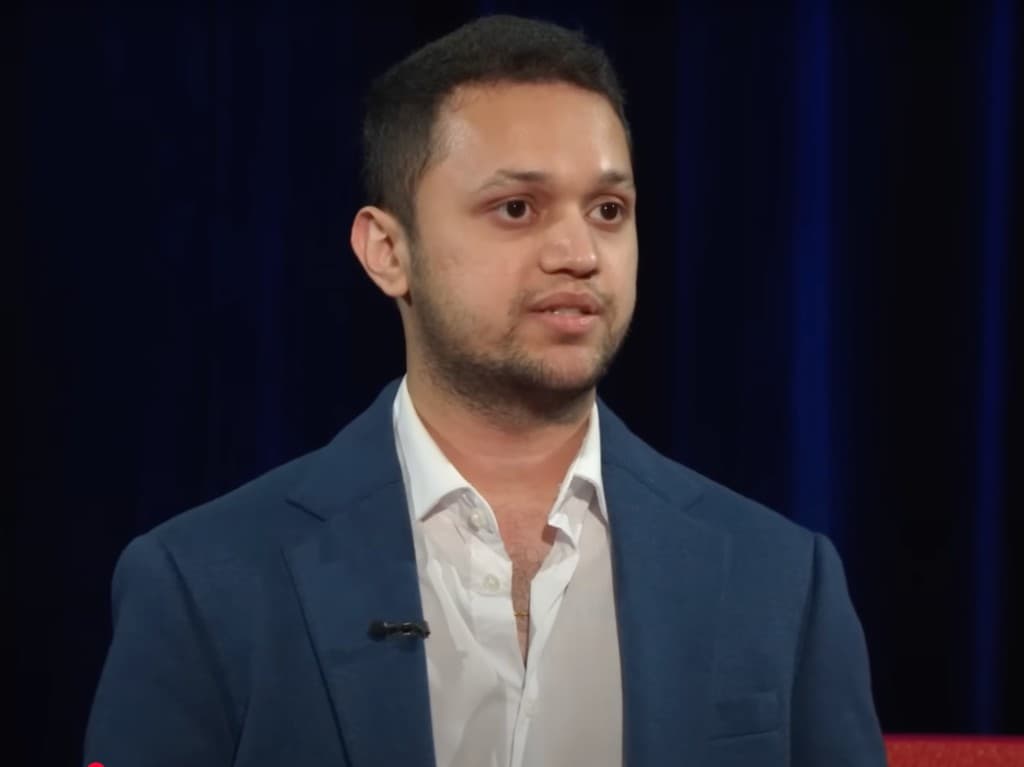
Sandeep Kondury
Creator of Featured Marketing™ | Founder, feat.
Sponsorships pay creators for attention, affiliates pay for clicks, and co-selling pays for outcomes shared with the brand. In 2026, co-selling typically pays creators 3–5x more per audience touch than sponsorships or affiliates because creator and brand share a single conversion economy.
Definitions
- Sponsorship. Brand pays a creator a flat fee for a post, mention, or campaign window. Creator is paid whether or not the brand sees sales.
- Affiliate. Brand gives the creator a unique link with commission, typically 5–15% on attributable purchases. Creator only paid on confirmed sales, with attribution loss along the way.
- Co-selling. Creator and brand share a co-branded landing page (e.g., a feat. page) with shared attribution and an agreed split—often 20–50% to the creator.
Side-by-Side: What Each Model Actually Pays
Take a creator with 50K engaged followers running a $50 product promo:
- Sponsorship: $1,500 flat fee. Creator earns the same whether 10 or 10,000 buy.
- Affiliate (10%): 200 sales × $50 × 10% = $1,000. Most clicks lost to attribution gaps.
- Co-selling (30%): 400 sales × $50 × 30% = $6,000. Higher conversion on a co-branded page, shared attribution, no leakage.
Which Pays More—and When
Co-selling almost always pays more when the creator's audience has high trust and category fit. Sponsorships still make sense for awareness plays with no commerce intent. Affiliates remain useful for broad catalog brands where co-branded pages aren't yet available.
Why Co-Selling Is Taking Over
Brands prefer co-selling because they pay for outcomes; creators prefer it because it pays more and produces a persistent surface. The shift is structural, not cyclical. For the bigger picture, read The Creator Partnership Model That Replaces Affiliate Marketing and Why Co-Selling Beats Affiliate Links.